
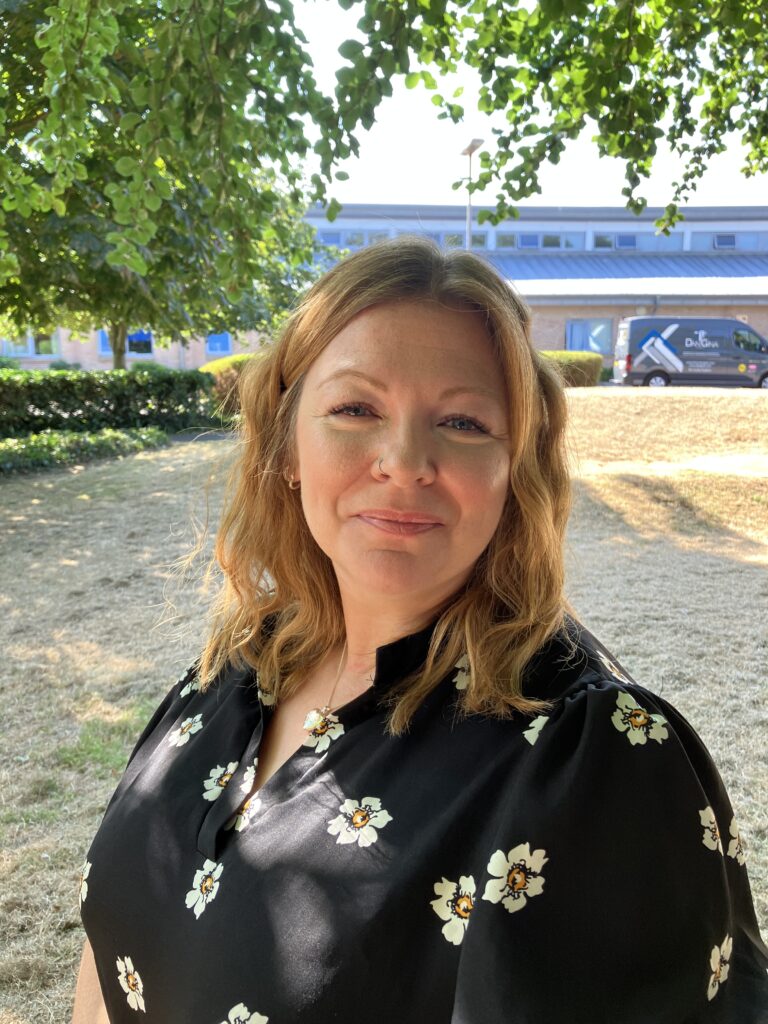
Specialist Speech & Communication Lead

Speech & Language Therapist

Wyvern’s Total Communication Approach
We use a total communication approach, recognising that communication happens in many different ways, including:
– Eye contact
– Facial expressions
– Body language
– Vocalisations and speech
– Hearing and listening
– Touch, smell and taste
Symbols and drawings
– Objects and written words
– Signs and gestures
– Art and Music
Why we use visuals
While verbal prompts are easy to give, they can be difficult to fade. Visual supports help pupils understand expectations, manage transitions and develop independence.
This is why staff use visual resources on lanyards or carrying individual pupil schedules. These tools help pupils access activities, navigate their environment and have a much-needed way to express themselves.
Supporting Every Pupil’s Voice
Communication is a fundamental right. It underpins learning, wellbeing, mental health, social development and everyday independence.
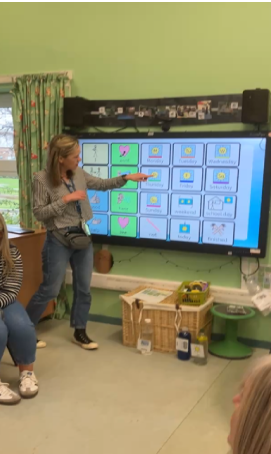
To create an inclusive communication environment, we use a wide range of strategies and supports, including Augmentative and Alternative Communication (AAC). This ranges from low-tech visual systems to high-tech solutions such as iPads and Eye-Gaze technology.
AAC provides pupils with additional ways to express themselves, make choices, share ideas and interact with others.
Examples of AAC tools include:
– Visual timetables and schedules
– Now and Next boards
– Communication boards and symbol cards
– Choice boards and communication books
– Signalong signs and gestures
– Core vocabulary boards (core boards)
– Speech-generating devices
– iPads with communication apps (e.g. Proloquo2Go, Grid for iPad)
– Eye-Gaze technology for pupils who access communication through eye movement
By providing the right AAC support, we help pupils communicate more effectively, participate in learning and develop greater independence.

Understanding Individual Needs
Every pupil has a personalised communication profile outlining:
– How they communicate
– Their communication targets
– The support strategies that work best for them
This ensures that all staff understand and consistently meet each pupil’s communication needs.